
The Allure of Chance
The essence of casino games lies in the thrill of chance, tapping into the innate human fascination with unpredictability. This allure brings players back time and again, as the possibility of winning a significant prize creates a powerful emotional draw. The uncertainty involved can evoke a mix of excitement and anxiety, stimulating the brain’s reward center in ways that make each gamble feel compelling and engaging, much like the appeal of anonymous casinos that attract those seeking unique experiences. This psychological push is similar to how people are drawn to extreme sports or risky behaviors, where the adrenaline rush can be addictive.
Additionally, the anticipation of the unknown enhances the experience further. Players often find themselves engrossed in the moment, focusing intensely on the game and the outcomes. This heightened state of awareness can create a euphoric feeling, sometimes referred to as a ‘gambling high,’ where the brain floods with dopamine in response to the thrill of the gamble. Even when outcomes are not favorable, the psychological impact is significant, as it can lead to a sensation akin to being on a roller coaster, where the fear and exhilaration blend together.
Furthermore, the design of casino games strategically utilizes elements of chance to maximize engagement. Game mechanics, such as the near-miss phenomenon, can trick players into feeling that a win is just within reach, despite the odds. This cognitive bias influences decision-making, enticing players to continue playing in hopes of hitting that elusive victory. Ultimately, understanding the psychology of chance in casino games reveals deep insights into why many find themselves irresistibly drawn to these environments.
The Role of Environment in Gameplay
The physical environment of a casino plays a crucial role in shaping player behavior and enhancing the gaming experience. The ambiance is meticulously crafted, with lighting, sounds, and layout designed to stimulate the senses and keep players engaged for extended periods. Bright lights and vibrant colors create a festive atmosphere that can feel celebratory, encouraging players to let loose and enjoy themselves. This strategy is evident in the design of slot machines, which often feature loud noises and flashy animations to capture attention and create a sense of urgency.
Moreover, the arrangement of gaming tables and machines is intentionally designed to facilitate social interaction. Players are often seated in close proximity to one another, fostering a communal experience where excitement can be shared. This social aspect can be incredibly reinforcing, as players feed off each other’s energy. The sounds of chips clinking, the cheers of winners, and the general buzz of activity contribute to a sense of belonging, which can be psychologically rewarding for many visitors. As such, the casino becomes not just a place to gamble but also a social hub where friendships can form and be maintained.
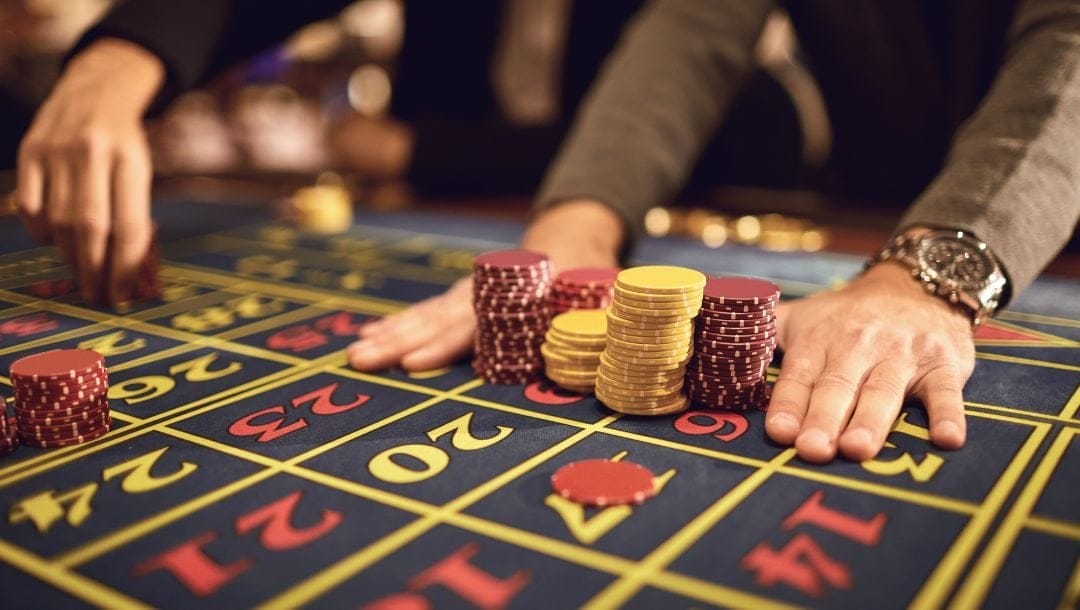
The scents and tastes of a casino also play a role in player psychology. Establishments often pump in pleasant aromas, such as vanilla or citrus, which have been shown to reduce stress and enhance mood. Complimentary beverages and snacks serve to keep players comfortable and immersed in the environment, creating a temptation to stay longer. This sensory overload is designed to distract players from the passage of time, ensuring they remain engaged in the games longer than they might otherwise intend. The overall environment becomes a key psychological component in maintaining player interest and increasing revenue for casinos.
The Impact of Winning and Losing
The psychological impact of winning and losing in casino games can have profound effects on players’ behavior and emotions. Winning, even small amounts, can create a rush of euphoria, as the brain links the experience to positive reinforcement. This emotional high can lead to a cycle of wanting to replicate the feeling, driving players to return and try their luck again. The phenomenon of ‘losses disguised as wins’, or the illusion of winning small amounts during a longer losing streak, feeds into this cycle. Players may feel as though they are still on a winning streak, despite the overall financial losses.
Conversely, the emotional fallout from losing can be significant. Many players experience regret, frustration, or even anger when faced with losses, leading some to make irrational decisions in a bid to recover their losses. This behavior is often termed “chasing losses,” where individuals continue to gamble in hopes of overturning their fate, despite the evidence of diminishing returns. Such patterns can develop into problematic behavior, where the thrill of trying to win back losses can overshadow the rational understanding of the odds involved. Understanding this psychological impact is key for both individuals and casinos, as responsible gaming practices become increasingly important.
Interestingly, the psychological effects of winning and losing are not solely limited to immediate financial outcomes. They can also influence players’ self-image and confidence. A series of wins can boost self-esteem, making individuals feel lucky or skilled. In contrast, repeated losses can lead to self-doubt and diminished self-worth. This complexity underscores the importance of understanding not just the game mechanics but also the emotional and psychological journeys players undertake. Awareness of these factors can help foster a healthier relationship with gaming and a more enjoyable experience overall.
The Role of Gamification in Casino Games
Gamification has transformed the landscape of casino games, intertwining psychological principles with gaming mechanics to enhance player engagement. By incorporating rewards systems, challenges, and leaderboards, casinos create an environment that feels rewarding and competitive, even for casual players. This approach leverages the principle of achievement motivation, where players are driven by the desire to accomplish goals and earn recognition. As players progress through various levels or challenges, they often experience a sense of accomplishment, which further encourages continued participation.
Additionally, gamification fosters social connections among players. Many casinos now include interactive elements that allow for multiplayer experiences, enabling individuals to compete against friends or strangers. These social dynamics can enhance enjoyment and create a sense of community, as players share experiences, tips, and support one another. The incorporation of social media elements, such as sharing achievements or inviting friends to play, further amplifies this effect, making gaming feel less like an isolated activity and more like a collective experience.
The psychological design behind gamification also taps into the concept of variable rewards, where players receive unpredictable incentives for their actions. This system can stimulate excitement and uncertainty, leading individuals to engage with the games longer in search of the next reward. The allure of possible wins, combined with social interaction and an element of competition, creates a rich tapestry of engagement that capitalizes on the innate human desire for connection and achievement. As technology continues to evolve, the interplay between gamification and psychological principles will shape the future of casino experiences.
Understanding Casino Behavior and Responsible Gaming
Recognizing the psychological factors that drive casino behavior is essential for promoting responsible gaming practices. Casinos and gaming organizations increasingly acknowledge the importance of encouraging healthy play and minimizing harmful behaviors. This involves providing players with tools and resources to help monitor their habits and set personal limits. Educational initiatives about the odds and realities of gambling can help players make informed choices, fostering a healthier attitude towards gaming.
Moreover, creating an awareness of the psychological traps that can lead to compulsive gambling is vital. Players may not always realize how emotions, perception, and cognitive biases can influence their decisions. By understanding the psychological underpinnings of their behavior, players can develop strategies to mitigate risky patterns, such as taking breaks, setting budgets, or seeking support. Casinos can play an active role in this conversation by implementing programs that promote responsible gaming and offer players opportunities to learn about the potential risks associated with gambling.
Ultimately, the intersection of psychology and gaming presents both challenges and opportunities. While the thrill of casino games can foster engagement and excitement, it is crucial to balance that with awareness and responsibility. By understanding the psychological factors at play, individuals can enjoy the entertainment value of casino games while safeguarding their well-being. The conversation surrounding responsible gaming will continue to evolve, considering both the dynamics of gameplay and the psychological impacts on players.

- Révélez l’équité dans les jeux de casino renommés - October 18, 2026
- Conquer Every Chip With Secure Value - October 18, 2026
- Renowned Casino Recommendations to Develop a Winning Bankroll Strategy - October 18, 2026