
Understanding the psychology behind gambling habits and their effects on decision-making
The Allure of Gambling
The world of gambling is captivating, drawing countless individuals into its vibrant and often chaotic environment. This allure stems from a combination of excitement, potential rewards, and the thrill of risk. For many, the experience of placing a bet or spinning a slot machine triggers a rush of adrenaline, creating a psychological hook that can be hard to resist. This sensation can lead to habitual gambling as individuals seek to recapture that exhilarating feeling. For example, taya 365 offers insights and strategies that can be helpful for new and experienced players alike.
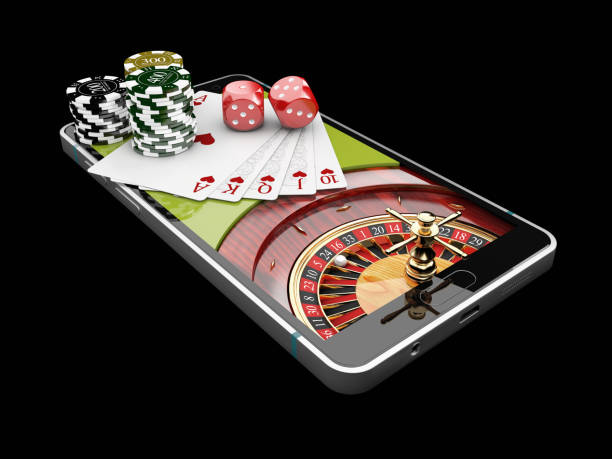
Moreover, the social aspects of gambling contribute significantly to its appeal. Many people enjoy the camaraderie found in casinos or among fellow online gamblers. The shared experience can enhance the thrill and create a sense of community, making it easier for individuals to justify their gambling habits. This social validation can further entrench their decision-making processes, often leading them to overlook the risks involved.
The Role of Cognitive Biases
Cognitive biases play a crucial role in gambling behaviors, influencing how individuals perceive risk and reward. Common biases include the illusion of control, where gamblers believe they can influence the outcome of games of chance. This belief can lead to overconfidence and an increased willingness to engage in risky behavior. For instance, a player might think that their strategy can outsmart a game that is fundamentally random.
Another significant cognitive bias is the gambler’s fallacy, which causes individuals to believe that past outcomes will influence future results. This can result in chasing losses or doubling down after a series of losses, reinforcing a cycle of irrational decision-making. Understanding these biases is essential for gamblers looking to make informed choices and develop healthier gambling habits.
The Impact of Emotions on Gambling Decisions
Emotions significantly influence gambling behavior, often leading to impulsive decisions that can have lasting consequences. When individuals experience negative emotions, such as stress or sadness, they may turn to gambling as a means of escape. This reliance on gambling to cope can create a dangerous cycle, where emotional highs and lows dictate gambling frequency and intensity.
On the other hand, positive emotions can also affect decision-making. When gamblers experience a win, the associated euphoria can cloud judgment, leading them to take on more significant risks. This emotional rollercoaster can distort perceptions of winning and losing, making it challenging for individuals to maintain a balanced approach to gambling.
Environmental Factors Influencing Gambling Habits
The environment in which gambling occurs can significantly impact habits and decision-making processes. Casinos are strategically designed to enhance the gambling experience, with bright lights, engaging sounds, and the absence of clocks or windows. These features can create an immersive atmosphere that encourages prolonged gambling sessions, making it easy for individuals to lose track of time and money.
Additionally, the rise of online gambling has transformed how individuals engage with games of chance. The convenience of placing bets from home, coupled with targeted advertising, has led to an increase in gambling participation. This environment can make it difficult for individuals to establish boundaries, as the immediacy and accessibility of online gambling can diminish the perceived risks associated with their choices.

Conclusion and Resources for Responsible Gambling
Understanding the psychological factors behind gambling habits is essential for fostering healthier decision-making. Recognizing the allure, cognitive biases, emotional influences, and environmental factors can empower individuals to make more informed choices about their gambling behaviors. For those seeking assistance, numerous resources are available to promote responsible gambling practices and provide support for individuals struggling with gambling-related issues.
Staying informed and aware of the psychological aspects of gambling can lead to a more balanced and responsible approach to gaming. By making a conscious effort to understand these dynamics, individuals can cultivate healthier relationships with gambling and enhance their overall well-being.

- Qazanmaq üçünstrateji Pinco casino ilə uğur qazanmağın yolu - March 13, 2026
- Verantwortungsvolles Spielen Tipps für einen sicheren Casino-Besuch - March 13, 2026
- Mythen en misverstanden over casinos wat je écht moet weten - March 13, 2026