
The psychology behind the thrill of gambling in casinos
The Allure of Risk and Reward
The thrill of gambling in casinos is largely rooted in the psychology of risk and reward. When individuals place bets, they are engaging in a high-stakes situation that activates the brain’s reward pathways. This surge of excitement comes from the possibility of winning a significant amount of money, which can trigger the release of dopamine, a neurotransmitter associated with pleasure and satisfaction. For those looking to enhance their gaming experience, 1Win offers a variety of options, adding to the excitement.
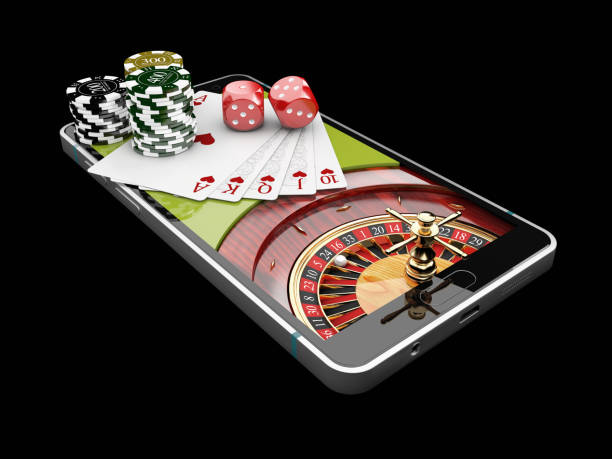
The unpredictability of outcomes in gambling enhances this psychological thrill. Each spin of a slot machine or flip of a card introduces a variable that can lead to exhilaration or disappointment. This uncertainty creates a tension that many find addictive, as the brain learns to associate gambling with intense emotional experiences.
The Role of Social Interaction
Another significant aspect of the gambling experience is the social environment found in casinos. Engaging with others, whether through friendly banter or shared excitement, can amplify the enjoyment of gambling. The social aspect fosters a sense of community and belonging, which can be a compelling reason for individuals to return to the casino.
Moreover, observing the reactions of fellow gamblers can heighten the emotional stakes. The cheers of nearby winners or the collective groans of near-misses create an atmosphere charged with energy, contributing to the overall thrill. This shared experience can reinforce an individual’s desire to participate and enjoy the gamble.
The Illusion of Control
The illusion of control plays a crucial role in the psychology behind gambling. Gamblers often believe that they can influence the outcome of a game through skill or strategy, even when many games are based purely on chance. This belief can be particularly potent in games such as poker, where players feel that their decisions significantly impact the game’s outcome.
This mindset can lead to a cognitive bias known as the “gamblers’ fallacy,” where individuals mistakenly believe that past events will influence future outcomes. This belief in control can enhance the thrill of gambling, as players convince themselves that their actions will lead to success, fueling their engagement in risk-taking behavior.
The Impact of Visual and Sensory Stimuli
Certain visual and sensory elements within casinos are meticulously designed to enhance the gambling experience. Bright lights, vivid colors, and engaging sounds all serve to create an immersive environment that captivates players. These stimuli trigger emotional responses that can amplify the excitement and euphoria associated with gambling.
Additionally, the layout of casinos encourages exploration and engagement. With games strategically placed to draw players in, the casino environment itself becomes a sensory playground, making it difficult for individuals to resist the allure of trying their luck. This carefully crafted atmosphere plays a crucial role in maintaining interest and prolonging the gambling experience.

Discover Exciting Opportunities at 1Win
If you’re intrigued by the thrill of gambling, platforms like 1Win offer an extensive range of casino games and betting options to explore. With a variety of games, generous bonuses, and a user-friendly experience, you can enjoy the excitement of gambling from the comfort of your home. The platform ensures a safe and secure environment for all users, prioritizing responsible gaming practices.
Whether you are a seasoned gambler or a newcomer looking to experience the thrill, 1Win provides an exciting opportunity to engage in your favorite games and sports betting. Dive into this captivating world and discover what it means to embrace the thrill of gambling.

- Les bases du jeu guide pour débutants en matière de paris - March 11, 2026
- Casino gaming basics A beginner's guide to understanding the odds - March 11, 2026
- Mastering financial management in the world of gambling - March 11, 2026