
The allure of risk-taking
The appeal of casino games often lies in the thrill of risk-taking, a fundamental aspect of human psychology. Engaging in games of chance evokes feelings of excitement and anticipation, as players grapple with the unpredictability of outcomes. The uncertainty—be it from a spin of the roulette wheel or a roll of dice—sends adrenaline coursing through participants’ veins, creating a rush that can become addictive. This compelling blend of fear and excitement is also reflected in the popularity of options like ontario casino fast withdrawal methods, which draw individuals back to the casino floor but also fosters a longing for that next exhilarating high.
Moreover, the psychology of risk-taking is intricately linked to our inherent desire for rewards. Winning a game brings not just financial benefits, but it also activates the brain’s reward systems, releasing dopamine and triggering pleasurable sensations. This biochemical response reinforces the desire to engage in further risk-taking behavior. For many players, the stark contrast between the thrill of potential loss and the exhilaration of winning makes the experience all the more compelling, further embedding them in the culture of casino gaming.
Additionally, the environment of the casino plays a significant role in enhancing this allure. Many casinos create atmospheres that stimulate excitement and anticipation through vibrant lights, enticing sounds, and engaging visuals. This sensory overload fosters a sense of community among players, amplifying their experiences. The social aspect of gambling complements the thrill of risk-taking, as the camaraderie formed while sharing victories or losses can heighten the overall enjoyment, making the act of risking more appealing.
The psychology of winning
Winning in casino games creates a powerful psychological phenomenon that can significantly alter a player’s perception of their abilities and decision-making processes. The euphoric sense of accomplishment accompanying a win can lead players to overestimate their skill level and encourage them to engage in further gambling activities. This psychological effect, known as the ‘winner’s effect,’ fosters a cyclical pattern where individuals believe they are likely to win again, prompting them to take greater risks in pursuit of further victories.
Compounding this effect is the concept of confirmation bias, which leads players to vividly recall their wins while downplaying or forgetting their losses. This selective memory creates an illusion of control, reinforcing the belief that one’s strategies or methods are effective. Consequently, players may continue to gamble, becoming entrapped in a cycle fueled by the excitement of past victories, which can ultimately culminate in significant losses over time.

The social dimension of gambling also amplifies the psychological impact of winning. When players experience victories in the presence of others, the joy and excitement can be contagious, fostering a shared experience. These collective celebrations not only enhance individual feelings of success but also strengthen social bonds, deepening their connection to the gambling environment. This social reinforcement perpetuates a cycle of participation, as players find it increasingly challenging to resist the allure of the next game or round of play.
The role of luck versus skill
The ongoing debate over luck versus skill in casino games presents a fascinating aspect of gambling psychology. Many games rely primarily on chance, while others allow players to employ strategy and skill. This dynamic greatly influences how participants perceive their chances of winning. In luck-based games, players may accept outcomes as purely random, while those involved in skill-based games often attribute their victories to their own strategies, enhancing their sense of agency and control.
This perception can significantly affect gambling behavior, as individuals tend to gravitate towards games that provide a sense of agency. For example, poker players analyze their opponents and make calculated decisions, which instills a feeling of control over the outcome. The satisfaction derived from outsmarting others serves as a powerful motivator to continue playing, even when the odds may not always favor them.
Furthermore, the distinction between luck and skill influences levels of engagement and investment in different games. Players might dedicate considerable time to honing their skills in games like blackjack or poker, while they may casually interact with luck-based games like slots. This investment of time and effort can strengthen emotional connections to specific games, ultimately affecting their overall experience and willingness to participate in the gambling environment.
The impact of losses and the gambler’s fallacy
The psychological impact of losses in casino gaming is profound and multifaceted. Players often experience a wide range of emotions when facing losses, including frustration, disappointment, and a determination to recoup their losses. This emotional rollercoaster can lead to the gambler’s fallacy, a cognitive bias where individuals mistakenly believe that past outcomes can influence future results. For instance, a player who has experienced a series of losses may feel “due” for a win, leading them to escalate their gambling in hopes of reversing their luck.
This fallacy exposes many players to increased financial risks, as they may continue wagering larger amounts to chase their losses. The desire to recover lost funds can overshadow rational decision-making, plunging them deeper into a cycle of gambling that may be detrimental to their finances. Recognizing this psychological trap is crucial for players to regain control and encourages a more balanced approach to gambling.
Moreover, the dynamic nature of casino games can exacerbate feelings of loss. The thrill of winning may often be overshadowed by the pain of losing, resulting in a complex emotional landscape. This can lead to an unhealthy attachment to gambling as a coping mechanism for negative emotions. Addressing these psychological factors is essential for players seeking to regain control over their gambling habits and to foster healthier behaviors moving forward.
Understanding the casino experience
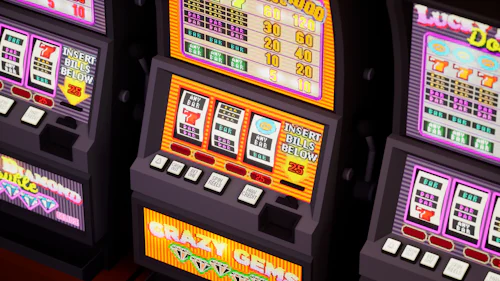
To fully appreciate the psychology behind casino games, it’s vital to consider the overall casino experience. These environments are meticulously designed to maximize player engagement. From the strategic layout of slot machines to the arrangement of gaming tables, each element is crafted to keep players entertained and immersed. Bright lights, inviting sounds, and enticing aromas contribute to the establishment of an engaging atmosphere that encourages prolonged play.
The casino experience extends beyond mere gaming, as many establishments offer a myriad of amenities like fine dining, entertainment options, and various hospitality services. These elements enhance the allure of the gambling experience, creating a sense of escapism for players who can momentarily forget their everyday lives. This immersive environment provides a powerful psychological draw, encouraging individuals to remain longer and participate more actively in gambling activities.
Additionally, the social interactions found within casinos significantly shape players’ experiences. The presence of fellow gamblers fosters a sense of camaraderie, which enhances the emotional journey through both highs and lows. This social aspect not only amplifies the emotional experience of winning and losing but also creates a community where shared experiences enrich the overall enjoyment. For many, casinos evolve into not just venues for gambling but social hubs that offer a unique blend of entertainment, thrill, and connection.

- Distinguez les stratégies de jeu géniales pour des victoires palpitantes aux tables - October 10, 2026
- Upgrade your play with proven gambling accountability and stealth - October 10, 2026
- Discover Clever Ways to Improve Your Gambling Entertainment Experience - October 10, 2026