
The hidden psychological effects of gambling revealed
The allure of gambling and its psychological grip
Gambling offers a unique thrill that appeals to many, rooted deeply in the human psyche. The excitement of risking money for the chance to win big creates a rush of adrenaline, engaging the brain’s reward system. This pleasure can be addictive, leading individuals to seek out gambling as a means of escape or stress relief. The instant gratification that comes with a win can reinforce this behavior, making the activity more appealing over time. If you’re interested in enhancing your experience, you can explore here for more insights.
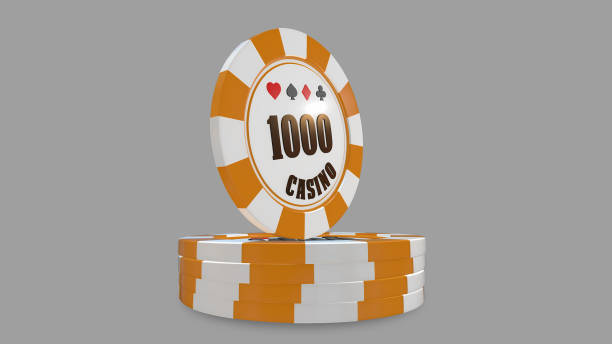
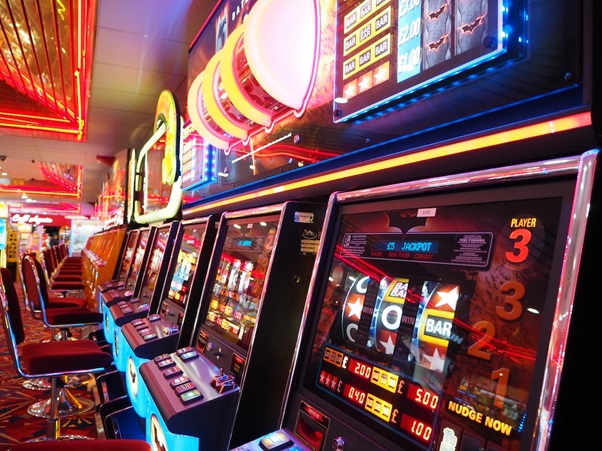
Moreover, the environment of a casino or an online gambling platform is designed to enhance this psychological effect. Bright lights, engaging sounds, and the buzz of fellow gamblers create an immersive atmosphere that keeps players returning. This can blur the lines between casual enjoyment and compulsive gambling, as the psychological effects subtly weave themselves into the fabric of a player’s daily life.
The impact of cognitive biases on gambling behavior
Cognitive biases play a significant role in how individuals perceive their gambling experiences. Many gamblers fall prey to the illusion of control, believing they can influence the outcome of games of chance. This misconception can lead to increased betting and a sense of overconfidence. Players might think they have a “lucky” strategy or that their past wins predict future success, which often isn’t the case.
This distorted thinking can foster a cycle of chasing losses. When gamblers experience a significant loss, the desire to recover their money can lead to more extensive and riskier betting. Such cognitive traps not only affect their financial stability but can also have detrimental effects on their mental health, leading to anxiety and depression as the losses accumulate, impacting their overall profitability of slot machines.
The social dynamics of gambling
The social aspect of gambling cannot be overlooked, as it influences the psychological effects significantly. For many, gambling is a social activity, allowing individuals to bond over shared experiences in casinos or online platforms. This communal environment can foster camaraderie, but it can also create pressure to conform to group behaviors, potentially leading to irresponsible gambling practices.
Furthermore, the social stigma associated with gambling addiction can prevent individuals from seeking help. The fear of judgment may lead to isolation, exacerbating the psychological toll of compulsive gambling. Support networks are crucial; however, finding a community that understands the struggles and complexities of gambling can be challenging.
The role of reward mechanisms in gambling addiction
Gambling activates the brain’s reward pathways similarly to other addictive behaviors. The release of dopamine during a win creates feelings of pleasure, reinforcing the desire to continue gambling. This biological response can lead to addictive patterns, where individuals pursue the euphoric feelings associated with winning, often ignoring the negative consequences.
As players increasingly rely on gambling for emotional highs, they may find it harder to experience joy in everyday life. This dependency can shift their priorities and erode personal relationships, creating a vicious cycle that is hard to escape. Recognizing the neurological underpinnings of these behaviors is essential for developing effective strategies to combat gambling addiction.
Discover responsible gaming practices
Understanding the psychological effects of gambling is crucial for fostering a safe and enjoyable gaming environment. Many online platforms emphasize responsible gambling, providing resources and tools to help players manage their gaming habits effectively. Features such as self-exclusion, deposit limits, and access to support services are integral in promoting a healthier approach to gambling.
By prioritizing player safety and well-being, these platforms create an environment where individuals can enjoy gaming responsibly. Through education and awareness, players can learn to recognize the signs of problem gambling and take proactive steps to ensure that their gambling remains a fun and entertaining experience rather than a detrimental habit.

- Brilliant gambling structure: a real guide to energizing casino wins - September 14, 2026
- Navigate the authentic thrill of gambling: a stable enjoyment journey - September 14, 2026
- Discover gambling opportunities: master 아이스 피싱 today. - September 14, 2026